
虎口脱险小米移动电源32000毫安时高匹配版_我的网站
一 | 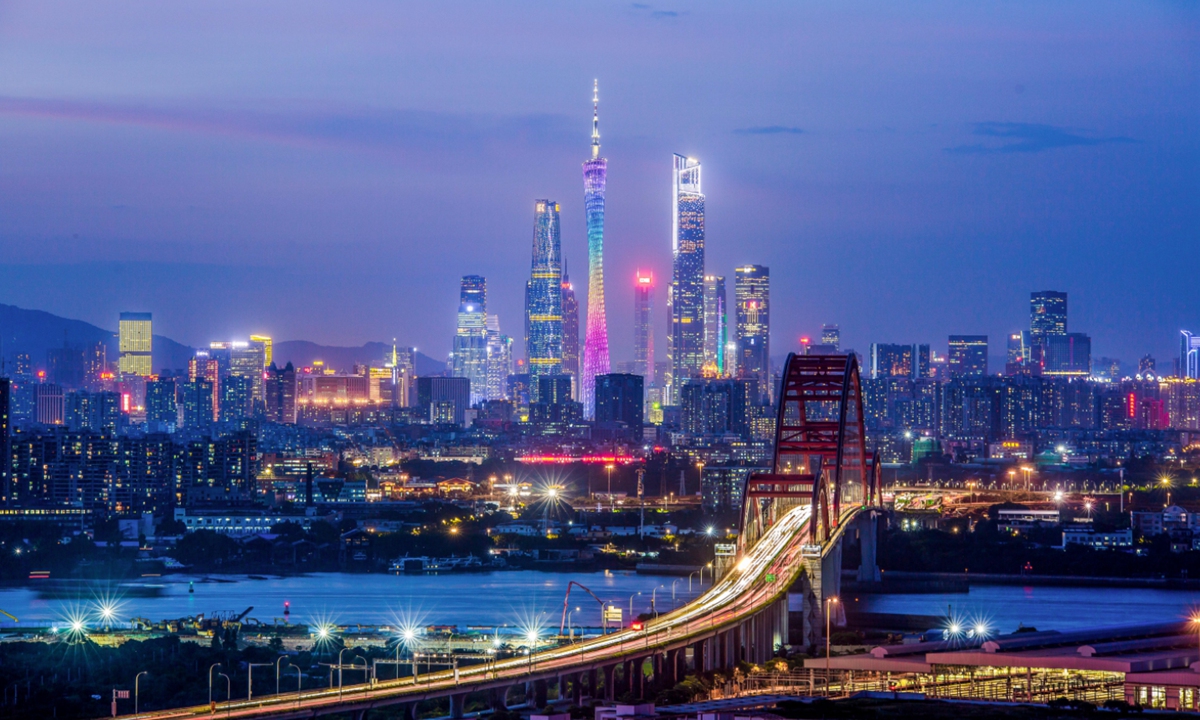 The monumental full length reportage Ballet of Commerce: The Epic of Guangdong's Foreign Trade by famous writer He Jianming is set to make its debut at the Southern China Book Fair from August 27 to 31 in Guangzhou, South China's Guangdong Province. Published by the Guangdong Education Publishing House, the book is the first of its kind to offer a panoramic account of Guangdong's millennium of trade and will be presented as a special offering for 2026's APEC "China Year," Xu Xiaofeng, an editor with the publishing house, told the Global Times on Monday. China will host the 33rd APEC Economic Leaders' Meeting in Shenzhen, Guangdong in November. It will be China's third time hosting the event, following Shanghai in 2001 and Beijing in 2014. He, a former vice chairman of the China Writers Association and recipient of the Lifetime Achievement Award for Chinese Reportage Literature in 2023, told the Global Times on Monday that as the world watches the evolving trade relationship between China and the US, there is a growing need for a book that can help Western readers gain a deeper understanding of China's trading culture and how Chinese people have conducted business throughout history. Guangdong marks the starting point of China's thousand-year maritime trade with the world. Through its foreign trade trajectory, the book reflects China's broader trade evolution, the enduring values of the Chinese spirit in the modern era, and the distinctive civilizational traits that have shaped China's rise, He noted. Guangdong is both the birthplace of the ancient Maritime Silk Road and a pioneer of China's reform and opening-up. As a vital artery of commercial exchange between China and the rest of the world, the Maritime Silk Road has witnessed the evolution and transformation of the Chinese economy over the centuries. During the Sui (581-618) and Tang (618-907) dynasties, silk was among the main goods transported along the route, earning it the name "Silk Road." During the Song (960-1279) and Yuan (1279-1368) dynasties, porcelain became a major export commodity, leading the route to be known as the "Porcelain Road." By the Ming (1368-1644) and Qing (1644-1911) dynasties, tea had emerged as a sought-after Chinese export in Europe, giving rise to yet another name - the "Tea Road," according to a report by the Counselor's Office of the Guangdong Provincial People's Government. 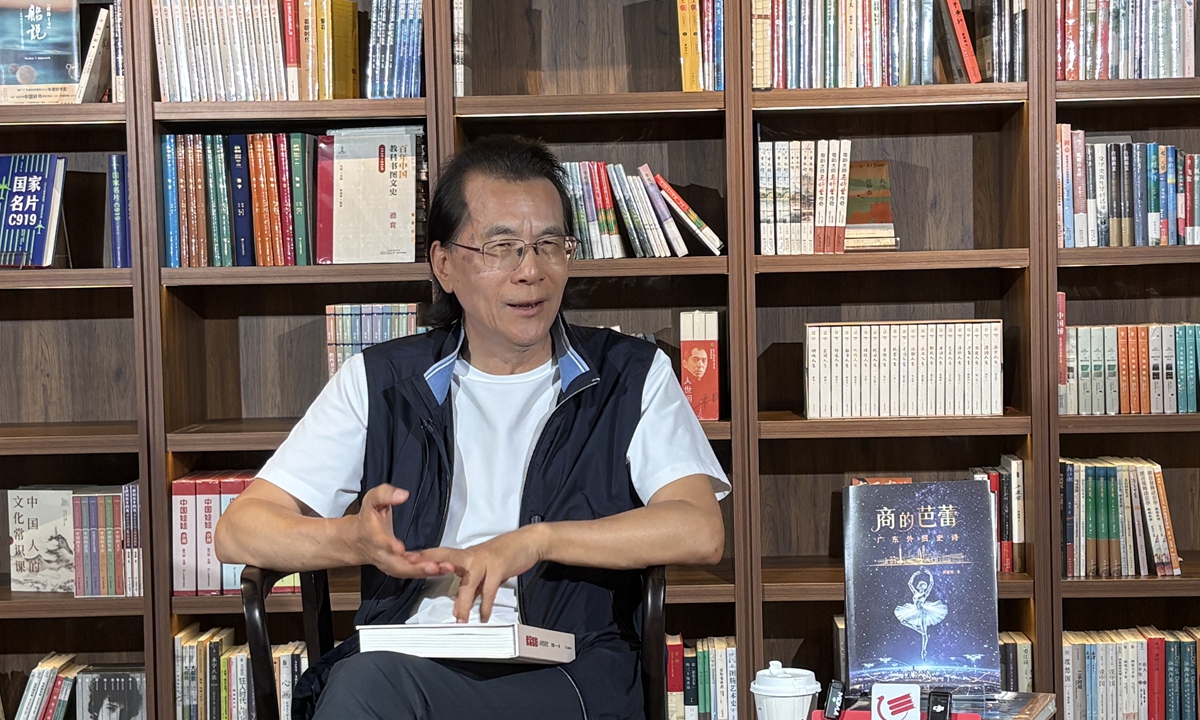 Mutual benefit Guangdong, China's largest foreign trade province, accounts for about one-fifth of the country's total trade and imports. As a major manufacturing hub with deep and extensive industrial chains, it creates significant demand for production factors, the Xinhua News Agency reported. In the first half of this year, Guangdong's foreign trade reached 5.49 trillion yuan ($810 billion), surpassing the 5-trillion-yuan mark for the first time in the same period on record. The figure represented a year-on-year increase of 20.8 percent and accounted for 21.6 percent of China's total foreign trade. The province contributed an additional 944.71 billion yuan in trade volume, accounting for 25.6 percent of the country's foreign trade growth, according to official statistics released in July. Having interviewed over 100 enterprises and institutions, He said that the book revisits the enduring legacy of the Maritime Silk Road, highlighting the exchanges between China and the West and the fusion of diverse civilizations. "At the heart of Chinese business culture is the belief that 'harmony is the most valuable.' Rooted in traditional Chinese culture, this philosophy emphasizes cooperation and mutual benefit. Rather than viewing strength as a means to overpower others, Chinese merchants have traditionally embraced the idea that prosperity should be shared. When one grows stronger, others can benefit and achieve success together. This aspect of Chinese commercial culture remains unfamiliar to many in the Western world," said the 70-year-old writer. Wang Yuanlin, a professor at the School of Humanities Guangzhou University, told the Nanfang Plus (a Guangdong-based news platform) that mutually beneficial and fair foreign trade policies, together with Guangdong merchants' long-standing tradition of integrity and win-win cooperation, have been key factors behind the province's enduring success in foreign trade. 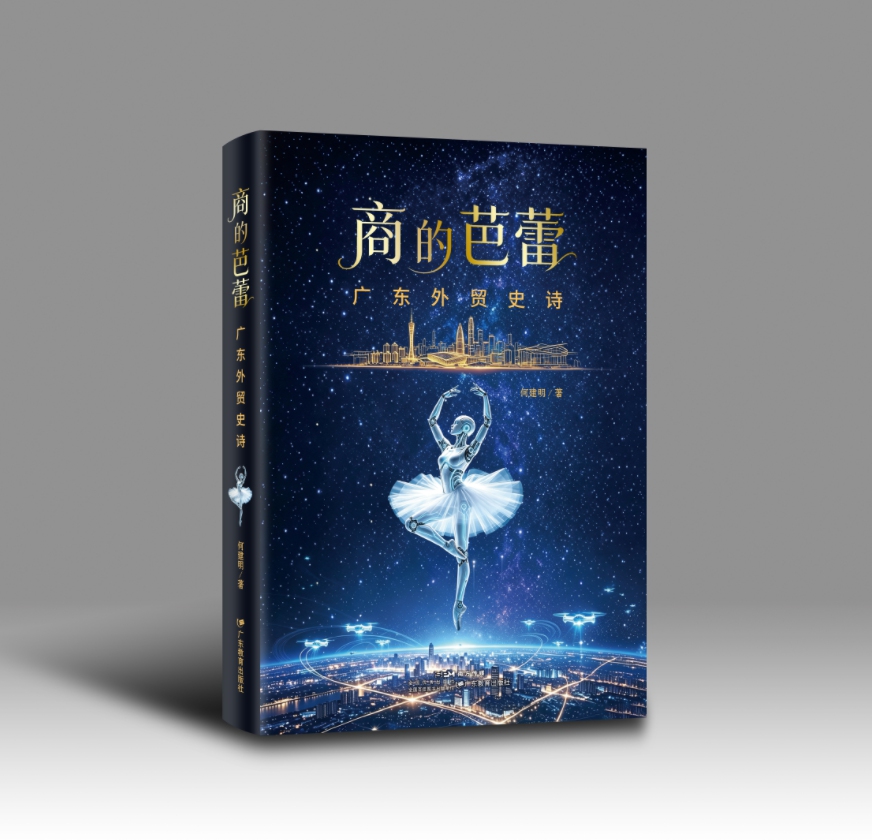 Elegant business The author said that the choice of "ballet" in the book's title reflects the idea that Chinese business practices have developed into an art form - one characterized by balance and elegance. "I want the Western world to understand that when the Industrial Revolution was just beginning and the Renaissance was sweeping across Europe, Chinese people had already mastered the art of commerce," He said. Through conversations with entrepreneurs ranging from grassroots business founders to prominent corporate leaders such as Dong Mingzhu, chairperson of Gree Electric Appliances, He chronicles Guangdong's transformation from a millennia-old trading hub into a global industrial powerhouse. "Just imagine: Employees at a private company can step into a space capsule after lunch and take a nap in their own private sleeping quarters. With a company like that, how could it not succeed?" he said. From the exchange of handcrafted goods in the agricultural era to today's trade in high-tech products such as semiconductors and drones, Chinese people have developed a business culture centered on the principle that "harmony is most valuable" over thousands of years of commercial exchange. This cultural tradition has become a key in driving the continued growth of trade in Guangdong and across China, He added. 。几天前,小米宣布其移动电源的累计销售额超过1亿。在这个特殊的时刻,小米推出了新的移动电源,小米移动电源32000毫安时的高匹配版本。与之前的小米移动电源价格相比,3万毫安高匹配版本的小米移动电源价格略高于199元。然而,从规格上看,它可能是199元能买到的最经济有效的移动电源。32000毫安时的包装高匹配版本的小米移动电源没有什么特别。它是一个简单的白色盒子,表面印有一些核心参数,后面还有防伪标签。目前,3.2万mAh高的小米移动电源匹配板只有一个黑色匹配,外壳为一体式塑料。
二 | 上段和下段都用陶瓷纹理突出,看起来不错。缺点是指纹染色,使用方便。使用时要注意。其余的32000毫安时高匹配小米移动电源已处理皮肤状纹理。手感好,不易划伤。此外,由于塑料材料的硬度不高,当移动电源与手机、电脑、相机等产品一起充电时,就不必担心移动电源会损坏更有价值的数码产品。但是,值得注意的是,小米移动电源的体积和重量相当大,因为它的电池容量高达2万mAh,快速充电的规格也很高。
三 | 其长、宽、高分别为153.5毫米、73.5毫米、27.5毫米,重量约440克,小米移动电源32000毫安时,高匹配容量74Wh(3.7V 20000毫安时),5V 5.4A输出额定容量12600毫安时,几乎为一台3000毫安时的智能手机充四次电。接口部分,3万mAh高端小米移动电源配置2个传统的USB-A主端口和1个USB-C端口。USB-A单端口可提供5V/2.4A、9V/2A、12V/1.5A输出,双端口可同时工作,提供5V/3A输出,适用于支持高通公司QC快速充电的快速充电手机。
四 | 然而,最强大的USB-C端口的30000毫安高端版本的小米移动电源是中间的USB-C端口。该端口支持PD协议,支持最大45W的5V 3A、9V 3A、12V 3A、15V 3A、20V 2A的输出,这意味着3万mAh大功率的小米移动电源不仅可以快速充电兼容的PDS,如iPhone(前两代)、小米8、华为Mate 20、Nut R1等设备。H作为任天堂的开关,佳能的EOS R,也可以快速充电的大多数USB-C端口笔记本电脑45瓦的电源,没有许多电源适配器。小米的官方网站列出了笔记本电脑的兼容性测试列表,供您参考。此外,32000 mAh高匹配版本的小米移动电源的USB-C端口还支持高达45W(15V 3A或20V 2.25A)的输入。
五 | 它可以使用45W或更多的适配器(如MacBook、Millet笔记本电脑适配器)快速为移动电源充电。小米的官方数据是,用45W适配器给移动电源充电需要4.5小时。
六 | 事实上,我们体验得更快,而且在前三个小时它几乎已经满了。
七 | 小米移动电源32000毫安高匹配版本已在小米商场等渠道销售。如果你不太在乎体积和重量,或者外出时需要使用移动电源快速为电脑充电,那么耗资199元的3万毫安版小米移动电源是一个非常划算的选择。(照片:王志鹏、文浩)。
八 | Current article:http://7i1.xiongpeiduanlouduoennongleng.cyou/a6j/20260826/722.html Published on:02:51:08 |


